
Wood Trusses vs. Steel: An In-Depth Comparison for Aroostook County Builders
Introduction to Wood and Steel Trusses
When selecting the right truss material for construction projects in Aroostook County, builders often face the decision between wood and steel. Both materials offer unique advantages and potential drawbacks, which can significantly influence the outcome of a project. By understanding these differences, builders can make informed decisions that best suit their specific needs.
Strength and Durability
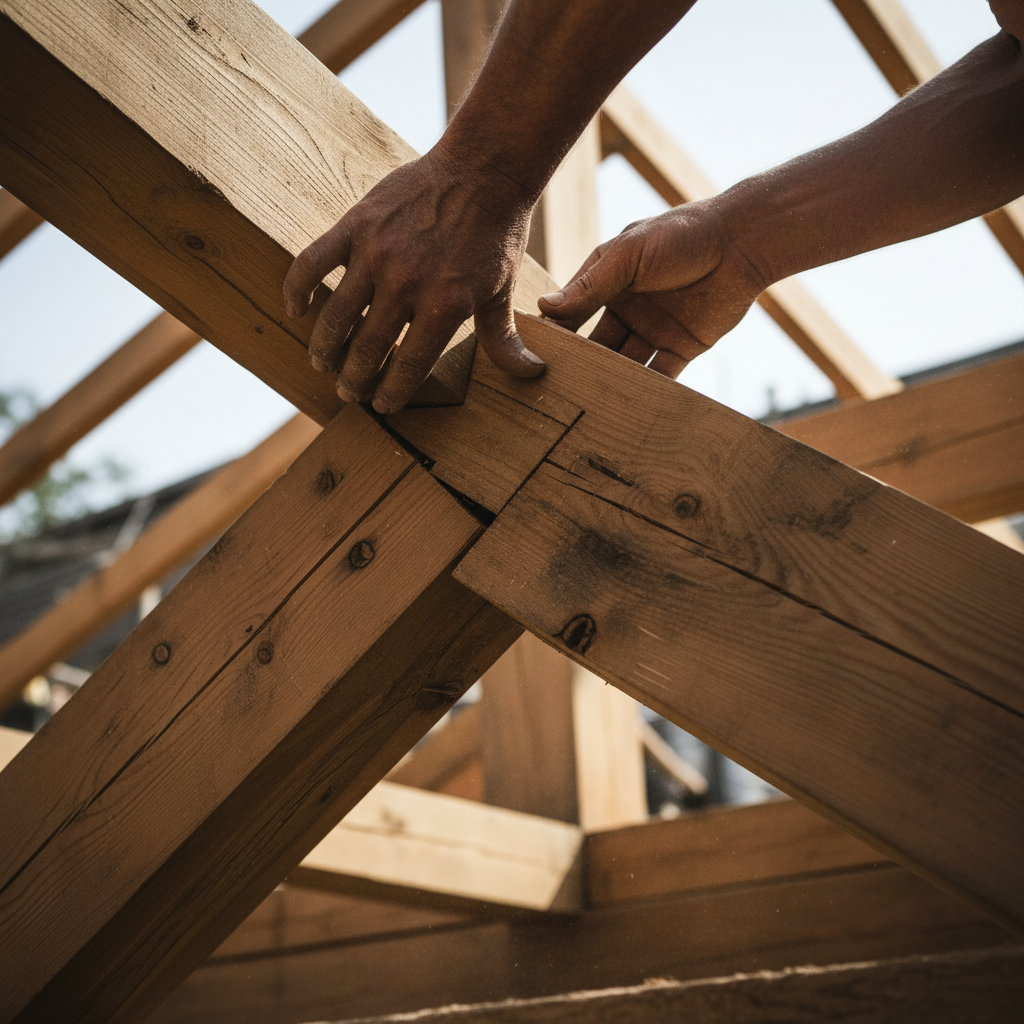
Wood trusses are known for their natural strength and flexibility, making them an excellent choice for many residential projects. They can better absorb vibrations and shocks, which is beneficial in areas prone to mild seismic activity. However, they are susceptible to pests and moisture, which can affect their longevity.
On the other hand, steel trusses offer exceptional durability and strength, often outlasting wood. Steel is resistant to many environmental factors, including pest infestation and rot. It's particularly favored in commercial projects where long-term durability is crucial.
Cost Considerations
Cost is a critical factor in selecting truss materials. Generally, wood trusses are less expensive upfront compared to steel. They are also easier to work with, potentially reducing labor costs. However, maintenance costs can accumulate due to their susceptibility to environmental damage.
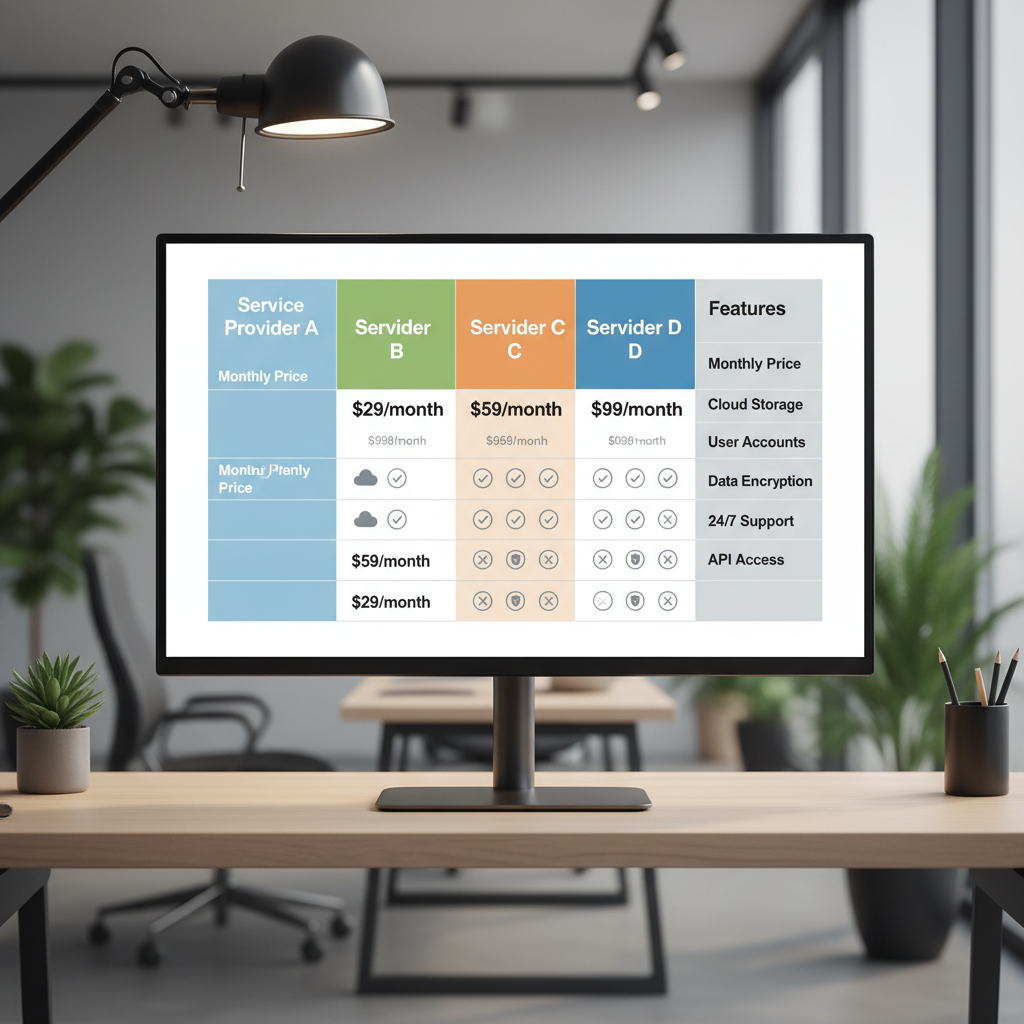
Steel trusses, while more costly initially, often prove to be more economical in the long run. The minimal maintenance and longer lifespan can offset the initial investment, making steel an attractive option for large-scale projects.
Environmental Impact
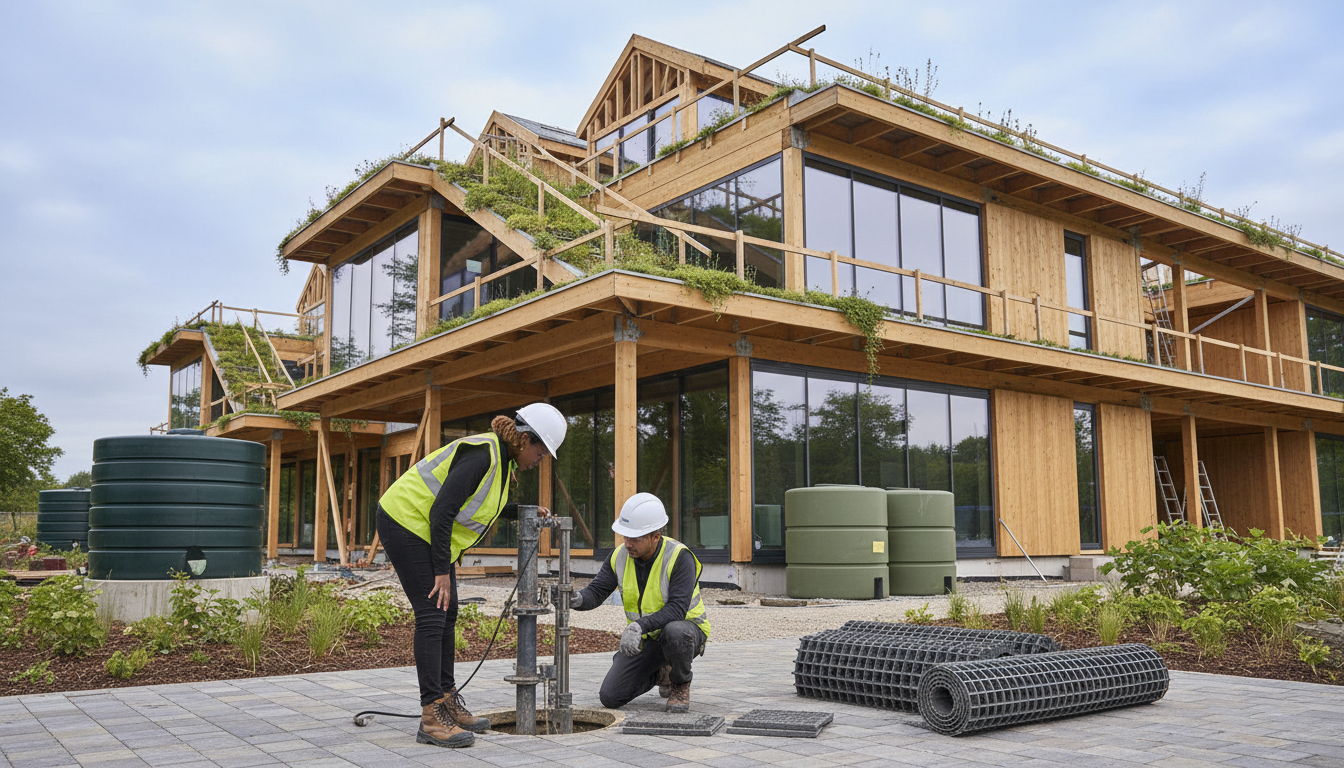
When it comes to environmental considerations, wood is often viewed as a more sustainable option. Wood trusses are made from a renewable resource, and the production process generally has a lower carbon footprint compared to steel. However, responsible sourcing is crucial to ensure sustainability.
Steel production is energy-intensive, but steel is highly recyclable. Many steel trusses used in construction today are made from recycled materials, which helps mitigate their environmental impact. Builders aiming for sustainable projects should consider the source and recyclability of their materials.
Design Flexibility
Both wood and steel trusses offer unique design possibilities. Wood trusses can be customized easily, allowing for creative architectural designs and intricate roof patterns. This flexibility makes them popular in residential and small-scale commercial projects.
Steel trusses, with their high strength-to-weight ratio, allow for longer spans without the need for additional support. This quality is advantageous in large-scale projects such as industrial buildings, where open spaces are required.
Conclusion
In conclusion, the choice between wood and steel trusses depends largely on the specific needs and priorities of the project. Wood trusses offer economic advantages and design flexibility, while steel trusses provide unmatched durability and strength. For builders in Aroostook County, understanding these differences is key to selecting the best material for their projects.