
The Future of Trusses: Innovations in Sustainable Building Materials
Introduction to Sustainable Trusses
The construction industry is undergoing a significant transformation, driven by the need for sustainability and environmental responsibility. One of the critical components of this change is the innovation in building materials, particularly in the design and construction of trusses. Trusses, essential for structural support, are now being developed with sustainable materials that reduce environmental impact while enhancing performance.
As we look towards the future, the integration of eco-friendly materials in truss manufacturing is not just a trend but a necessity. This shift promises to revolutionize the industry, offering a blend of durability, efficiency, and sustainability.

Innovative Materials in Truss Design
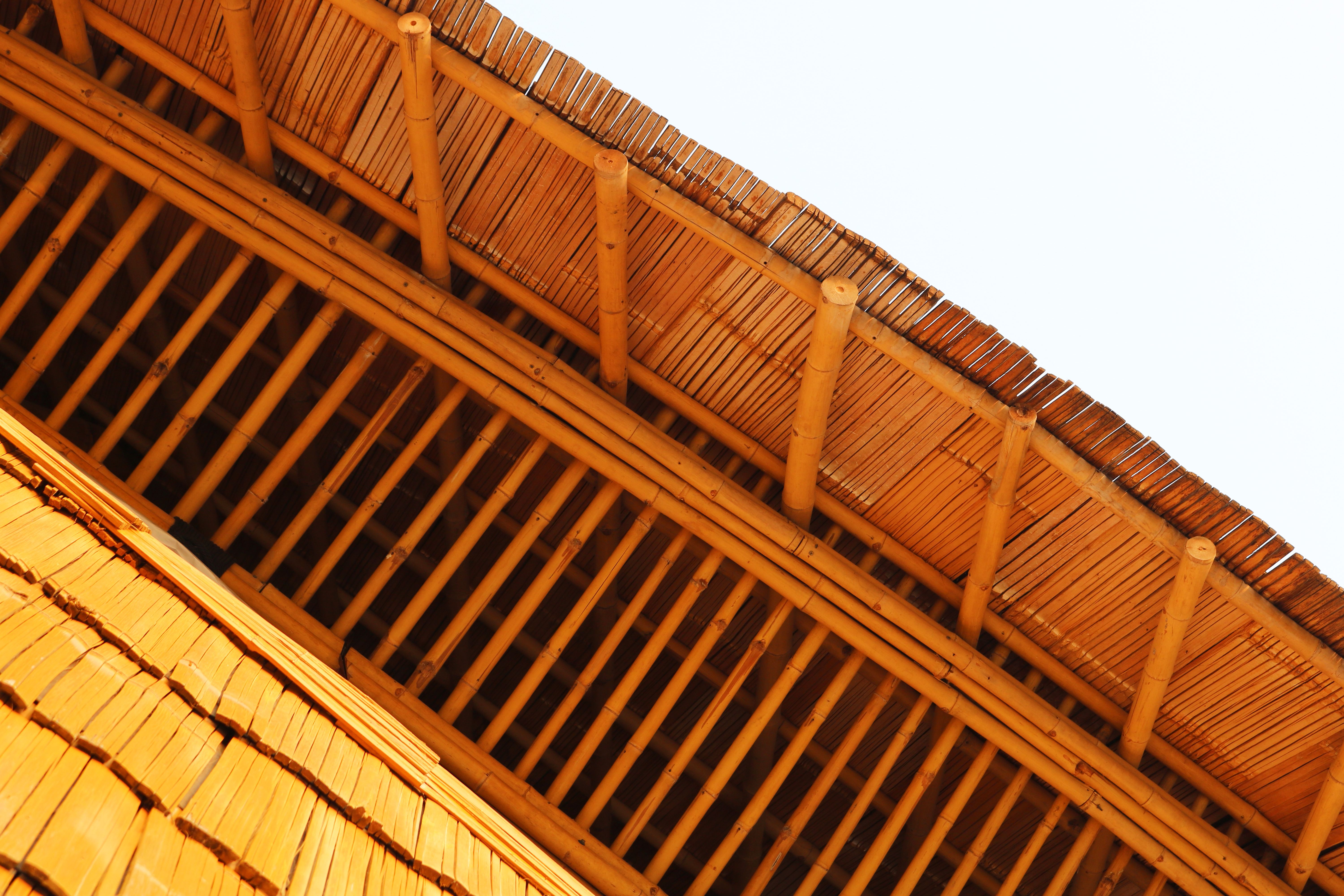
Recent advancements have introduced a variety of sustainable materials in truss design, each offering unique benefits. Bamboo, for example, is emerging as a popular choice due to its rapid growth and high strength-to-weight ratio. This natural material not only reduces reliance on traditional timber but also offers a renewable alternative that is both lightweight and robust.
Another exciting development is the use of recycled steel. Unlike conventional steel, recycled steel requires less energy to produce and significantly reduces carbon emissions. This makes it an ideal choice for environmentally conscious construction projects.
Composite Materials and Their Benefits
Composite materials, combining two or more constituent materials with different properties, are also gaining traction. These materials offer enhanced strength and durability, making them perfect for truss applications. By using composites, builders can achieve superior performance while minimizing environmental impact.
Fiberglass-reinforced polymers (FRP) are one example of composite materials being used in truss design. FRP is lightweight, corrosion-resistant, and requires minimal maintenance, making it an attractive option for sustainable construction.
Technological Advancements in Truss Manufacturing
Technology is playing a crucial role in the evolution of truss manufacturing. The use of computer-aided design (CAD) and 3D printing allows for precise customization and optimization of truss structures, reducing waste and improving efficiency. These technologies enable the creation of complex designs that were previously impossible or too costly to produce.
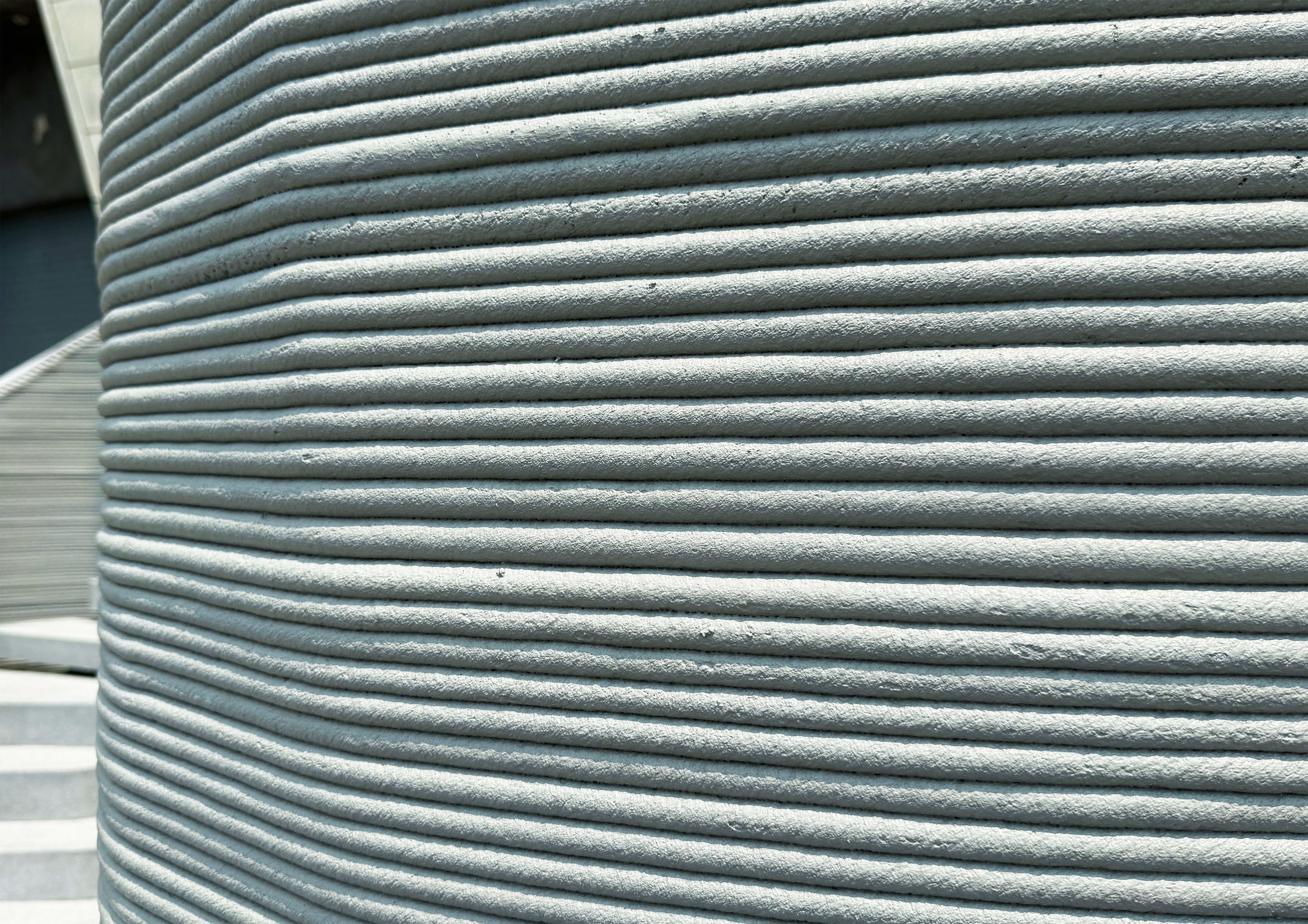
Moreover, advancements in digital fabrication techniques have streamlined the manufacturing process, allowing for quicker production times and reduced labor costs. These innovations not only contribute to sustainability but also offer significant economic benefits.
The Role of Research and Development
Research and development (R&D) are at the forefront of discovering new sustainable materials and methods for truss construction. Continuous investment in R&D is crucial for identifying materials that are not only environmentally friendly but also economically viable.
Collaborations between academic institutions, industry experts, and government bodies are essential for driving innovation. These partnerships are fostering the development of cutting-edge materials and technologies that will shape the future of sustainable trusses.

Conclusion: A Greener Future for Construction
The future of trusses lies in embracing sustainable building materials and innovative technologies. As the construction industry continues to prioritize eco-friendly solutions, the adoption of these advancements will pave the way for a greener and more sustainable future.
By focusing on resource efficiency, reducing carbon footprints, and enhancing structural performance, the industry is setting new standards for sustainable construction. The shift towards sustainable trusses is not only beneficial for the environment but also for the economy and society as a whole.