
Expert Tips on Choosing the Right Truss Design for Your Project
Understanding Truss Basics
Choosing the right truss design is a crucial step in ensuring the structural integrity and aesthetic appeal of your project. Trusses are essential components that support roofs, bridges, and more. Understanding the basics of truss design will help you make informed decisions.

Identify Your Project Needs
Before selecting a truss design, it's important to identify the specific needs of your project. Consider factors such as load requirements, span length, and environmental conditions. These elements will influence the type of truss that best suits your project.
Types of Truss Designs
There are various truss designs available, each with its own strengths and applications. Some common types include:
- King Post Truss: Ideal for short spans and simple structures.
- Queen Post Truss: Suitable for slightly longer spans than the king post.
- Howe Truss: Excellent for heavy loads and longer spans.
- Pratt Truss: Commonly used in bridges and industrial buildings.

Materials Matter
When choosing a truss design, the material is a significant consideration. Common materials include wood, steel, and aluminum. Each material has its own benefits and drawbacks depending on the project's requirements and budget.
Wooden Trusses
Wooden trusses are popular for residential projects due to their aesthetic appeal and cost-effectiveness. They are also easier to work with but may require additional maintenance to prevent rot and insect damage.
Steel and Aluminum Trusses
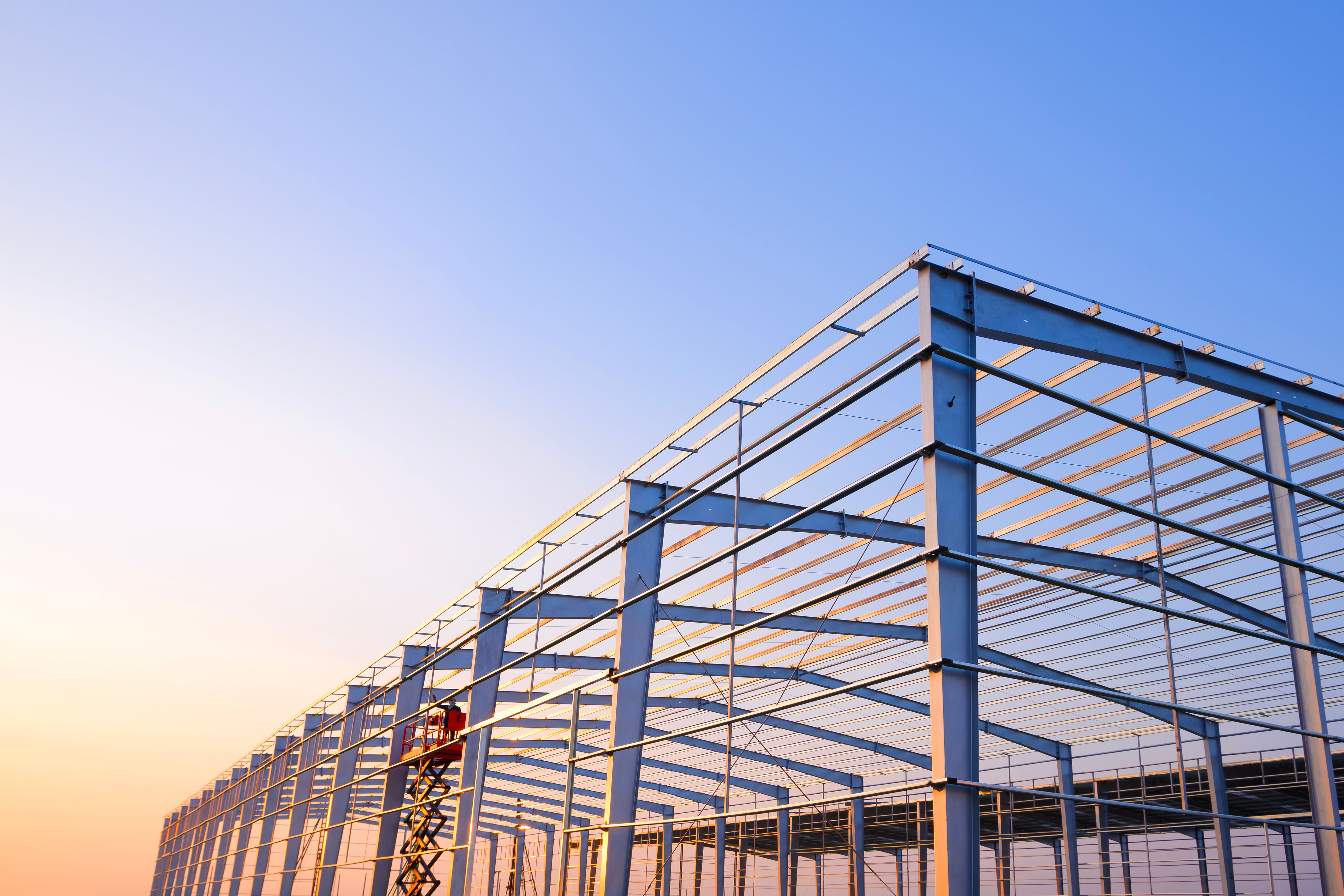
Steel trusses offer strength and durability, making them ideal for larger structures such as commercial buildings and bridges. Aluminum trusses, on the other hand, are lightweight and resistant to corrosion, making them suitable for projects where weight is a concern.
Consulting with Experts
Engaging with structural engineers or truss manufacturers can provide valuable insights into the best design for your project. These experts can help analyze loads, spans, and material options to ensure optimal performance and safety.
Sustainability Considerations
Incorporating sustainability into your truss design can help reduce environmental impact. Consider using recycled materials or designs that minimize waste. Sustainable truss designs not only benefit the environment but can also improve the overall efficiency of your project.

Final Thoughts
Choosing the right truss design involves a careful evaluation of your project's unique requirements. By understanding the different types of trusses, materials, and consulting with experts, you can ensure a successful and sustainable project. Always prioritize both functionality and aesthetics to achieve the best results.