
DIY Roof Repair: When to Use Professional-Grade Components
Understanding DIY Roof Repair
Taking on a DIY roof repair project can be both rewarding and cost-effective. However, it’s crucial to know when to use professional-grade components to ensure a durable and safe repair. This post will guide you through essential aspects of DIY roof repair, helping you make informed decisions.
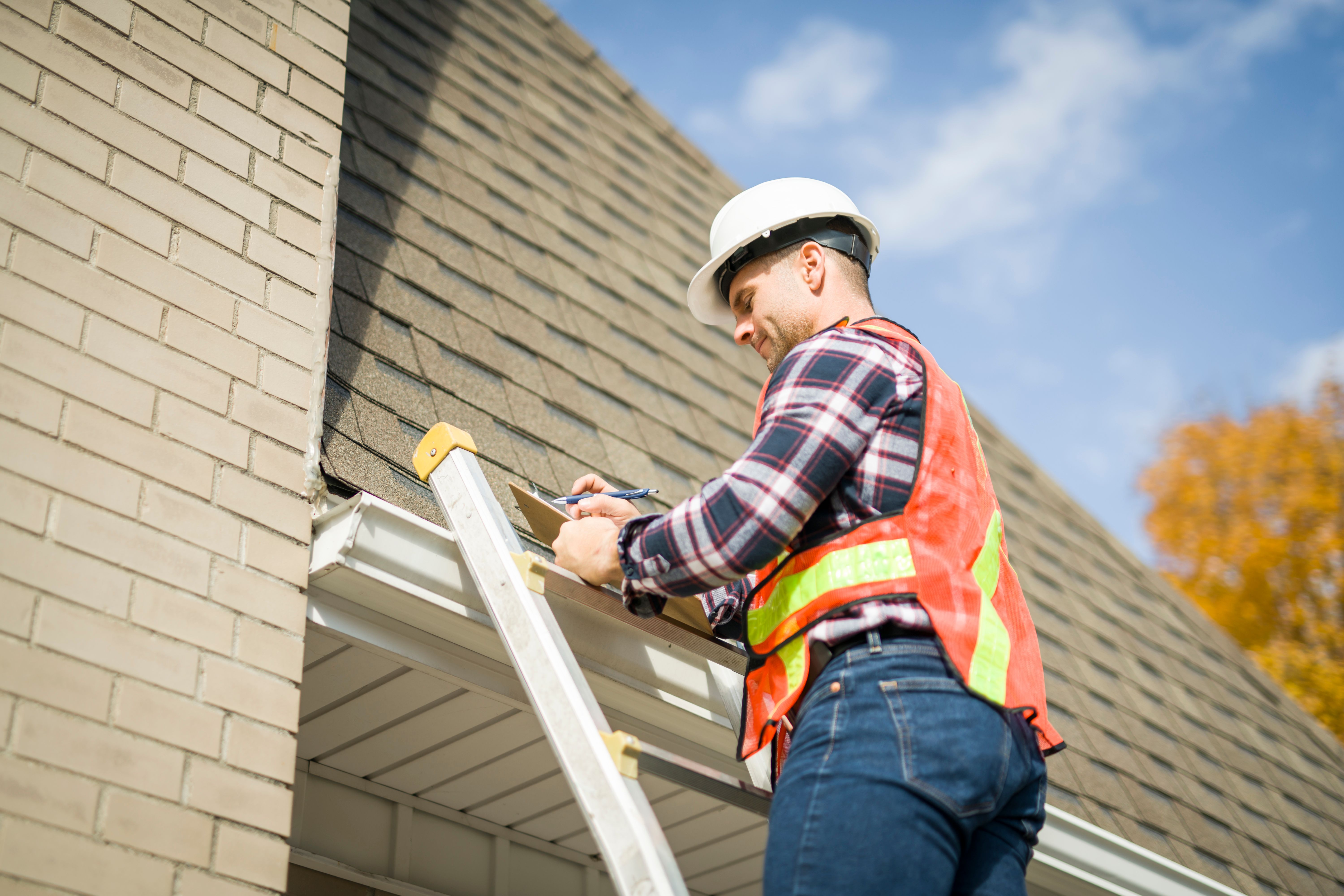
Why Choose Professional-Grade Components?
Using professional-grade components can significantly enhance the longevity and performance of your roof repair. These components are designed to withstand harsh weather conditions and provide a more secure fit. While they may be more expensive initially, they often save you money in the long run by reducing the need for frequent repairs.
Professional-grade materials typically come with warranties that protect your investment. This added security can be invaluable, especially in areas prone to severe weather.
Key Components to Consider
When repairing your roof, there are several components where professional-grade materials are highly recommended:
- Shingles: Opt for high-quality shingles that offer better protection against leaks and UV damage.
- Underlayment: This layer provides an extra barrier against moisture. Professional-grade underlayment can prevent mold and water damage.
- Flashing: Essential for preventing water seepage around chimneys and vents, durable flashing is a must-have.
When to Call a Professional
While DIY repairs can be effective for minor issues, there are times when calling a professional is the best course of action. If you encounter extensive damage, structural concerns, or lack the necessary tools, it’s wise to seek expert help. Safety should always be a priority, and professional roofers have the experience to handle complex repairs safely.
Additionally, if your roof is nearing the end of its lifespan, a full replacement by a professional may be more cost-effective than continuous repairs.
Preparing for Your DIY Project
Before starting your DIY roof repair, gather all necessary tools and materials. Having a clear plan and understanding the scope of the repair can save time and prevent costly mistakes. Ensure you have safety equipment such as harnesses and ladders to reduce the risk of accidents.
Researching and watching tutorials can also provide valuable insights and tips for tackling your specific repair needs.
Common Mistakes to Avoid
One common mistake in DIY roof repair is underestimating the extent of the damage. Conduct a thorough inspection to identify all problem areas. Another mistake is using inferior materials in an attempt to save money. This often leads to more frequent repairs, ultimately increasing costs.
Finally, neglecting safety precautions can lead to serious injuries. Always prioritize safety over speed or convenience.
Maintaining Your Roof Post-Repair
After completing your repair, regular maintenance can help prolong the life of your roof. Inspect your roof biannually and after major storms to catch any new issues early. Clearing debris and ensuring gutters are clean can also prevent water damage.
By taking these steps, you can maintain a healthy roof and avoid unexpected repair costs.
Conclusion
DIY roof repair can be a manageable task with the right materials and knowledge. By choosing professional-grade components and knowing when to call in experts, you can ensure your roof remains in excellent condition for years to come. Remember, a well-maintained roof is crucial for protecting your home and its occupants.