
Debunking Common Myths About Trusses and Roof Components
Understanding Trusses: Beyond the Basics
When it comes to construction, trusses play a crucial role in supporting roofs and other structures. However, there are many misconceptions surrounding their use and functionality. By debunking these myths, we can better appreciate the engineering behind these essential components.
Myth 1: Trusses Are Only for Large Buildings
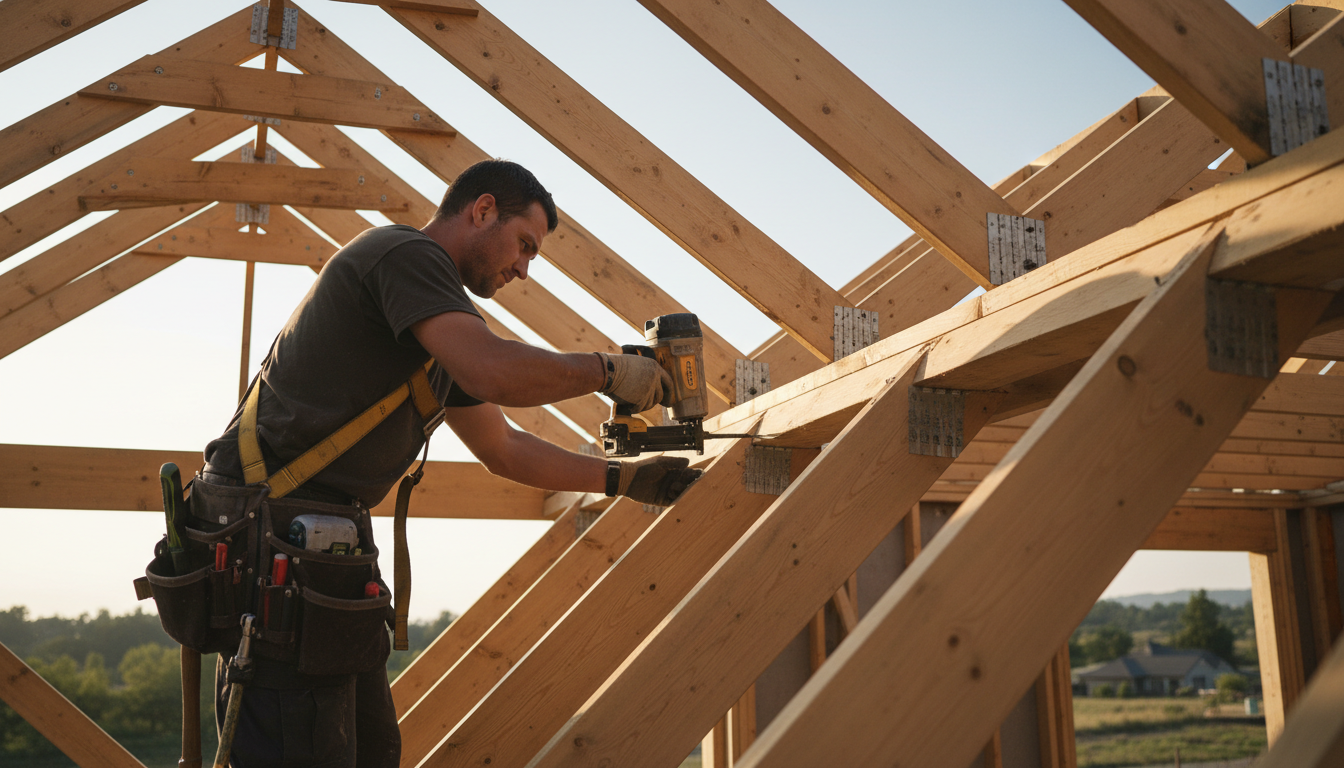
One common misconception is that trusses are only suitable for large, industrial buildings. In reality, trusses are versatile and can be used in a variety of structures, from small residential homes to expansive commercial complexes. They offer flexibility in design and can be customized to fit the specific needs of any building project.
Trusses are particularly popular in residential construction due to their ability to span large distances without the need for internal load-bearing walls. This allows for open floor plans and greater architectural freedom. In summary, size is not a limitation when it comes to utilizing trusses.
Debunking Structural Misconceptions
Myth 2: Trusses Are Weaker Than Traditional Rafters
Another prevalent myth is that trusses are weaker than traditional rafters. This couldn't be further from the truth. Trusses are engineered to distribute loads evenly across their structure, making them incredibly strong and efficient. They are often made from high-quality materials and are designed to withstand significant stress and pressure.
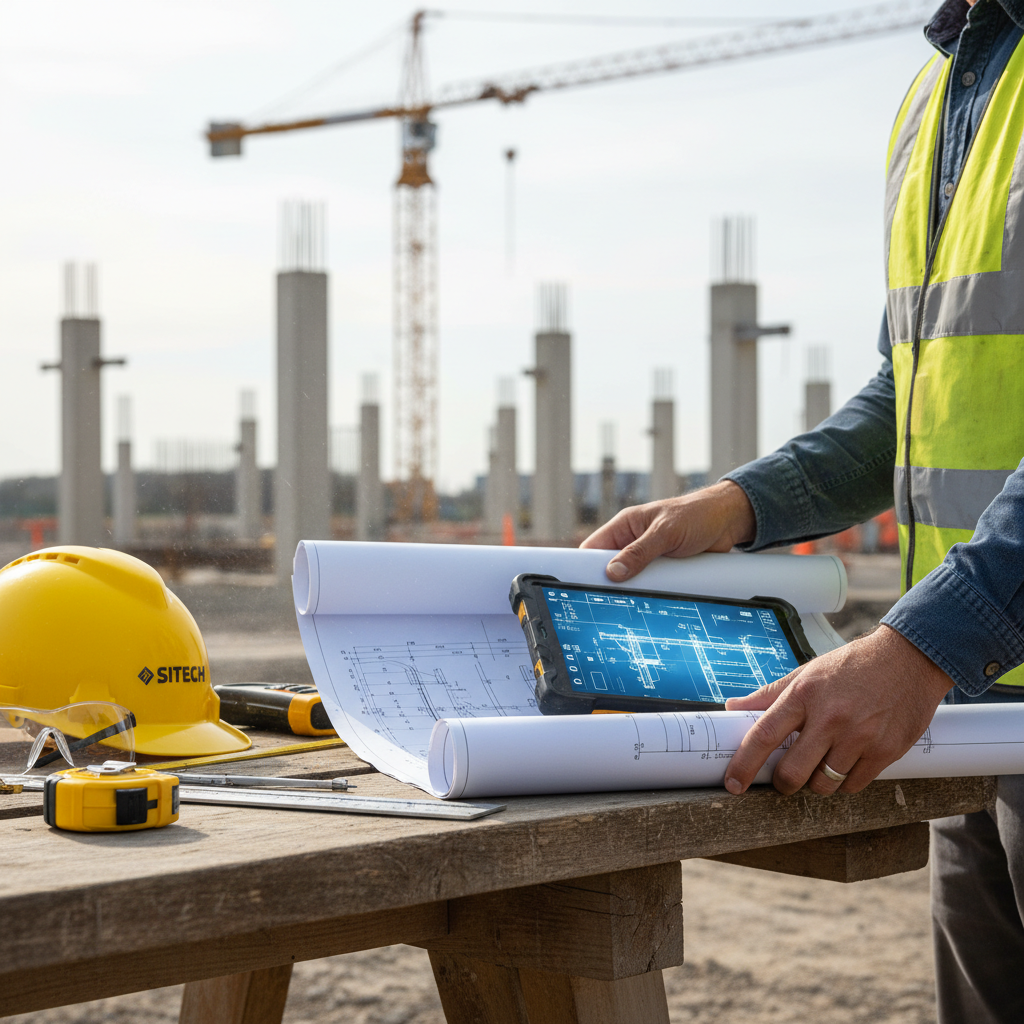
Unlike rafters, trusses are typically prefabricated in controlled environments, ensuring precision and consistency. This prefabrication process minimizes the risk of human error and ensures that each truss meets stringent quality standards.
Myth 3: Trusses Limit Design Options
Some people believe that opting for trusses means compromising on design. However, trusses can be customized to accommodate a wide range of architectural styles. Whether you’re aiming for a modern look or a traditional aesthetic, trusses can be tailored to meet your vision.
With advances in technology and engineering, trusses can be designed in various shapes and sizes, allowing architects and builders to explore innovative solutions. The flexibility of trusses enables creative roof designs that were once considered impossible.
Practical Considerations for Builders
Myth 4: Trusses Are More Expensive
Cost is often a concern, and a common myth is that trusses are more expensive than other roofing options. While the initial investment might be higher, trusses can save money in the long run. Their efficiency can reduce labor costs, as they are quicker to install compared to traditional rafters.
Moreover, the precision of prefabricated trusses means fewer on-site modifications and less waste, contributing to overall cost savings. When considering the long-term benefits, including durability and reduced maintenance, trusses can be a cost-effective choice.
Myth 5: Trusses Are Difficult to Install
Contrary to the belief that trusses are challenging to install, they are designed for ease of use. Prefabricated trusses arrive on-site ready to be positioned and secured, streamlining the construction process. This efficiency reduces the time and labor required, making trusses a convenient option for builders.
With clear instructions and minimal need for adjustments, trusses can be installed swiftly, ensuring that projects stay on schedule. This simplicity is one of the many reasons why trusses are favored in both residential and commercial construction.