
Debunking Common Myths About Roof Trusses
Understanding Roof Trusses
Roof trusses are a critical component in modern construction, providing support and shape to roofs. Despite their importance, many myths persist about their functionality and application. In this blog post, we'll explore and debunk some of these common misconceptions to help homeowners and builders make informed decisions.
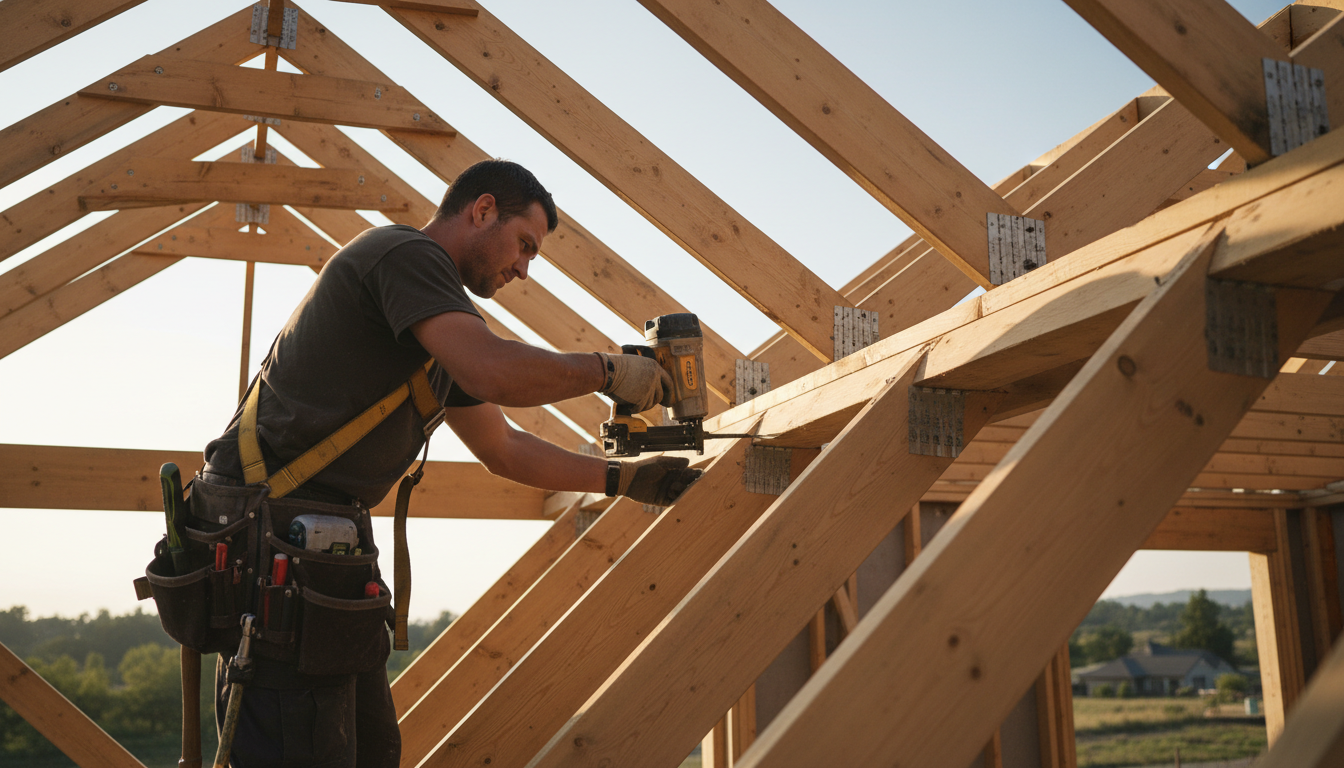
Myth 1: Roof Trusses Are Not as Strong as Traditional Rafters
One of the most prevalent myths is that roof trusses are weaker than traditional rafters. In reality, trusses are engineered to be extremely strong, often surpassing the strength of rafters. They are designed using advanced software that calculates the exact loads, ensuring they can withstand various weather conditions.
Trusses distribute weight evenly, reducing the risk of structural issues. This makes them not only strong but also reliable for a wide range of building designs.
Myth 2: Trusses Are Only Suitable for Simple Roof Designs
Another misconception is that trusses are only suitable for simple, rectangular roofs. However, modern truss designs can accommodate complex architectural styles, including vaulted ceilings and intricate rooflines. Custom truss designs offer flexibility, allowing for unique and creative roofing solutions.
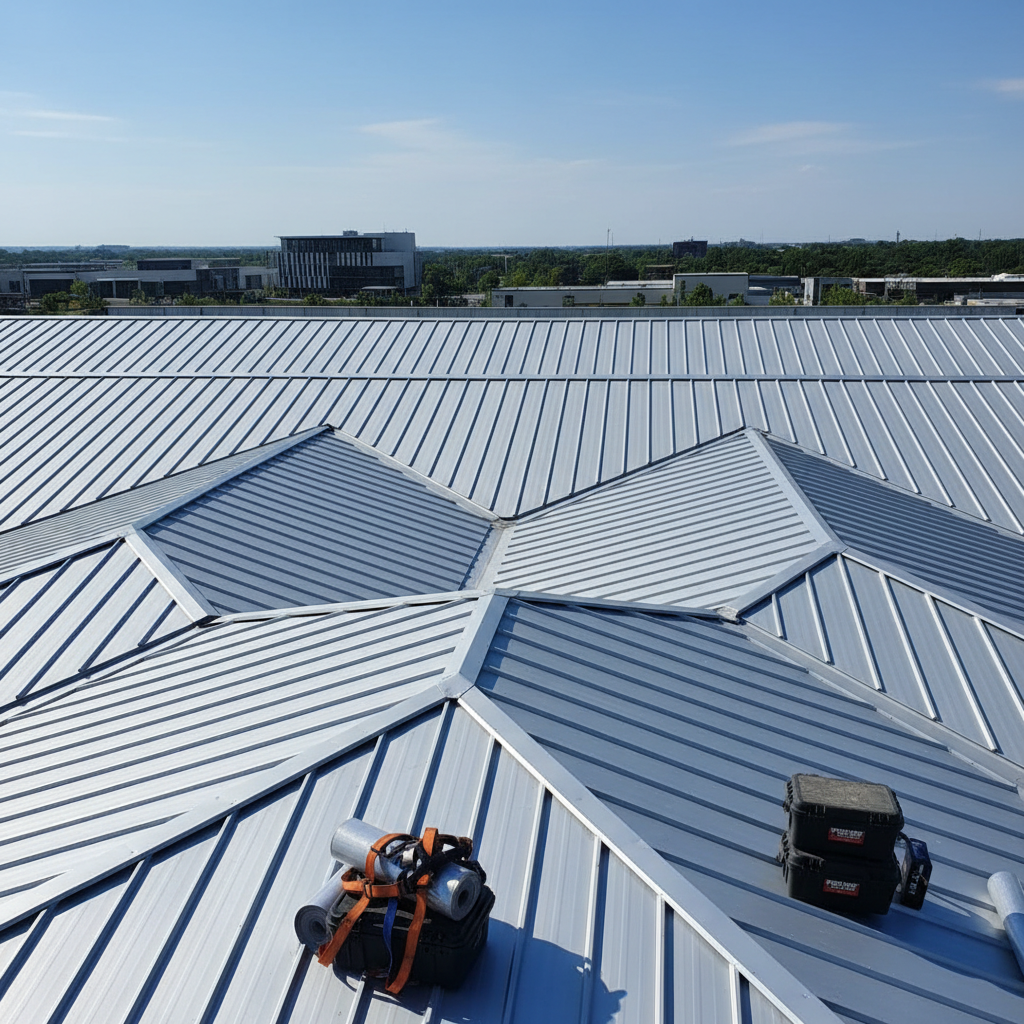
Myth 3: Trusses Limit Attic Space
Many believe that using trusses limits attic space, but this is not entirely true. While some truss designs may reduce usable space, others, like attic trusses, are specifically designed to create additional room. These designs provide ample storage or even living space without compromising structural integrity.
It's essential to work with experienced engineers to select the right truss type for your needs, ensuring both functionality and space optimization.
Myth 4: Trusses Are More Expensive
Cost is often a concern, and there's a myth that trusses are more expensive than traditional rafters. While the initial cost of trusses might be higher, they often prove to be more cost-effective in the long run. Trusses reduce labor time and waste, leading to savings in construction.

Conclusion
By debunking these myths, it's clear that roof trusses offer numerous advantages, from strength and versatility to cost efficiency. Whether you're building a new home or renovating an existing structure, considering trusses can provide significant benefits. Always consult with professionals to choose the best roofing solution for your project.
Understanding the facts about roof trusses enables better decision-making and ensures that your construction project is both successful and sustainable.